When a girl cannot manage her period safely, she often stays home. Here is what period poverty looks like in Nigerian schools, and the practical steps that help girls stay in class.
For many girls across Nigeria, a monthly period means more than discomfort. Without sanitary products, clean water or accurate information, it can mean days away from school, quiet embarrassment and a growing gap between them and their classmates.
What period poverty looks like
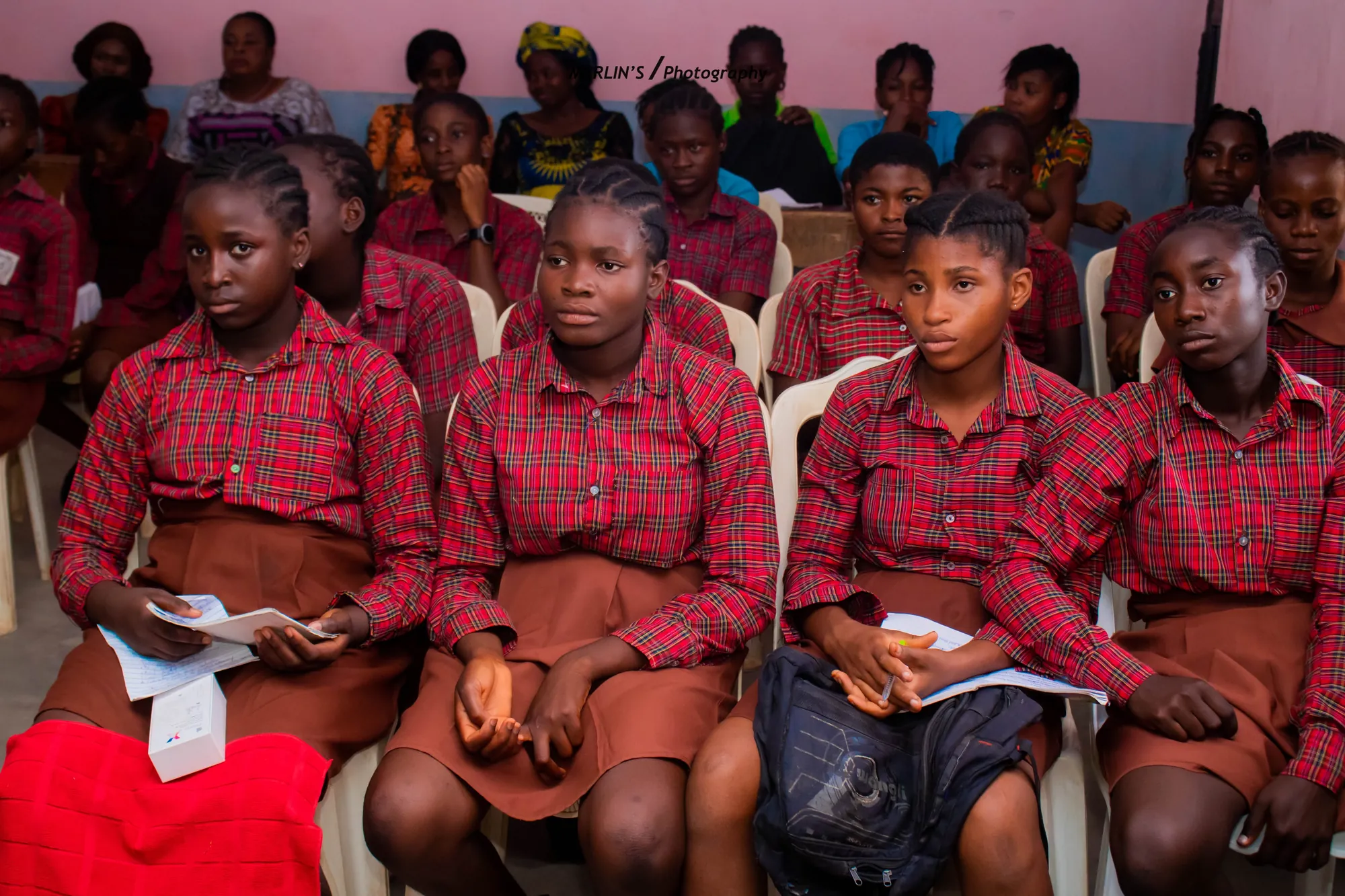
Period poverty is the lack of access to menstrual products, safe facilities and education about menstruation. According to UNICEF, over 23% of adolescent girls in Nigeria miss school because of inadequate menstrual health support. Each missed day adds up, affecting grades, confidence and, for some girls, whether they stay in school at all.
The barriers are not only financial. Myths and stigma lead many girls to hide their periods, avoid activities they enjoy and stay silent when they need help.
No girl should have to choose between her period and her education.
What we see in schools and communities
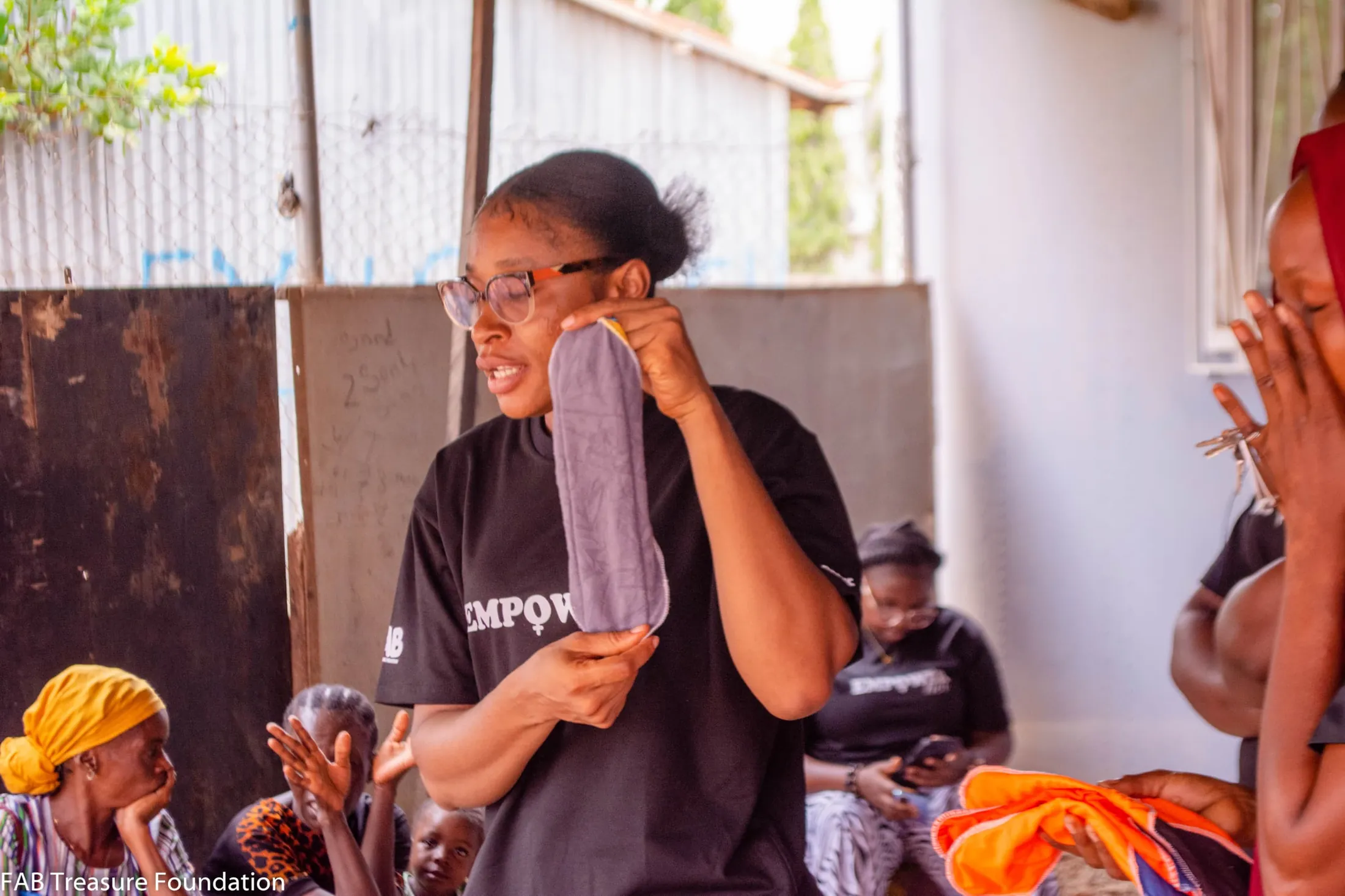
Through PAD with FAB, our team visits secondary schools, rural communities and IDP camps to talk openly about menstrual health. Sessions cover how the menstrual cycle works, how to manage a period hygienically and how to track it, and every girl leaves with sanitary products.
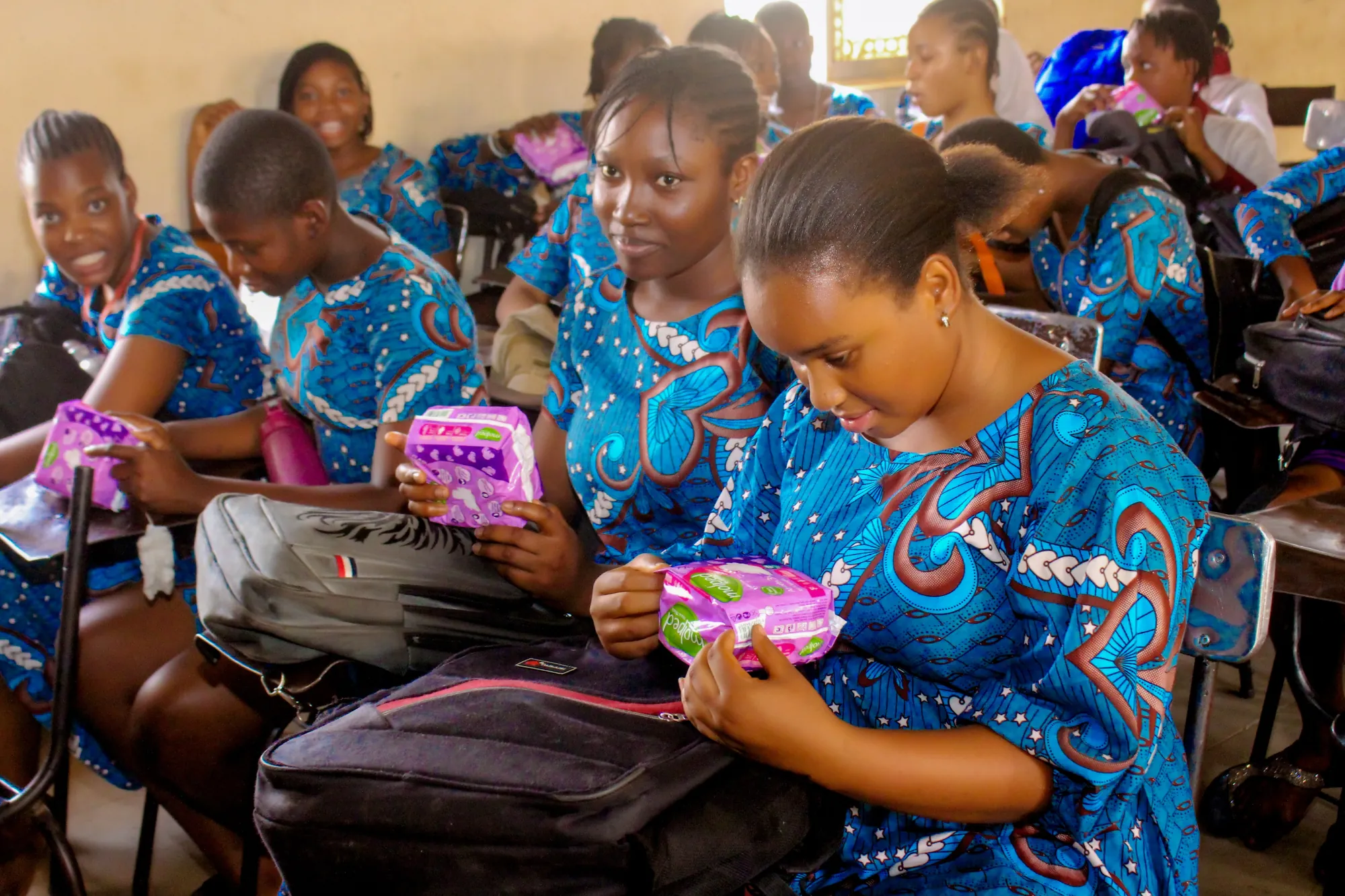
We also train peer champions: girls who carry the knowledge back to their classmates, so the conversation continues long after our visit and friends support each other.
Three ways communities can help
- Talk about it openly. When parents, teachers and boys understand menstruation, stigma loses its power.
- Make products available. A small stock of sanitary pads in a school office can keep a girl in class for the rest of the day.
- Improve facilities. Clean toilets, water and a private space to change make a real difference.
How you can support
Since we began, more than 7,000 women and girls have received menstrual health education and free sanitary pads through our programmes. By 2030 we aim to reach 30,000. You can donate, volunteer your skills or partner with us on a school outreach.